
Launching a new product is exciting, but it can also be a little scary. Many founders rush to build what they call an MVP and only later realise they actually built a half-finished full product that nobody really wants or understands. That mistake burns time, money, and energy.

Before you write serious code, you need proof that your idea works for real people. Rapid prototyping gives you that proof. Instead of guessing, you show early versions of your product to target users, watch how they react, and fix the idea before MVP development even begins.

In this guide, you will see how rapid prototyping works, why it matters specifically before MVP, and how it fits into MVP planning, SaaS products, and Digital Product Engineering. The goal is simple. Help you make smarter product decisions with less guesswork and fewer costly surprises.

Bytes Technolab is an AI-first Product Engineering and MVP Development Partner that works with startups and scale-ups to run rapid prototyping, validate ideas before MVP, and then turn the best concepts into solid MVPs and SaaS products without wasting budget.
What Rapid Prototyping Really Means Before You Build Your MVP

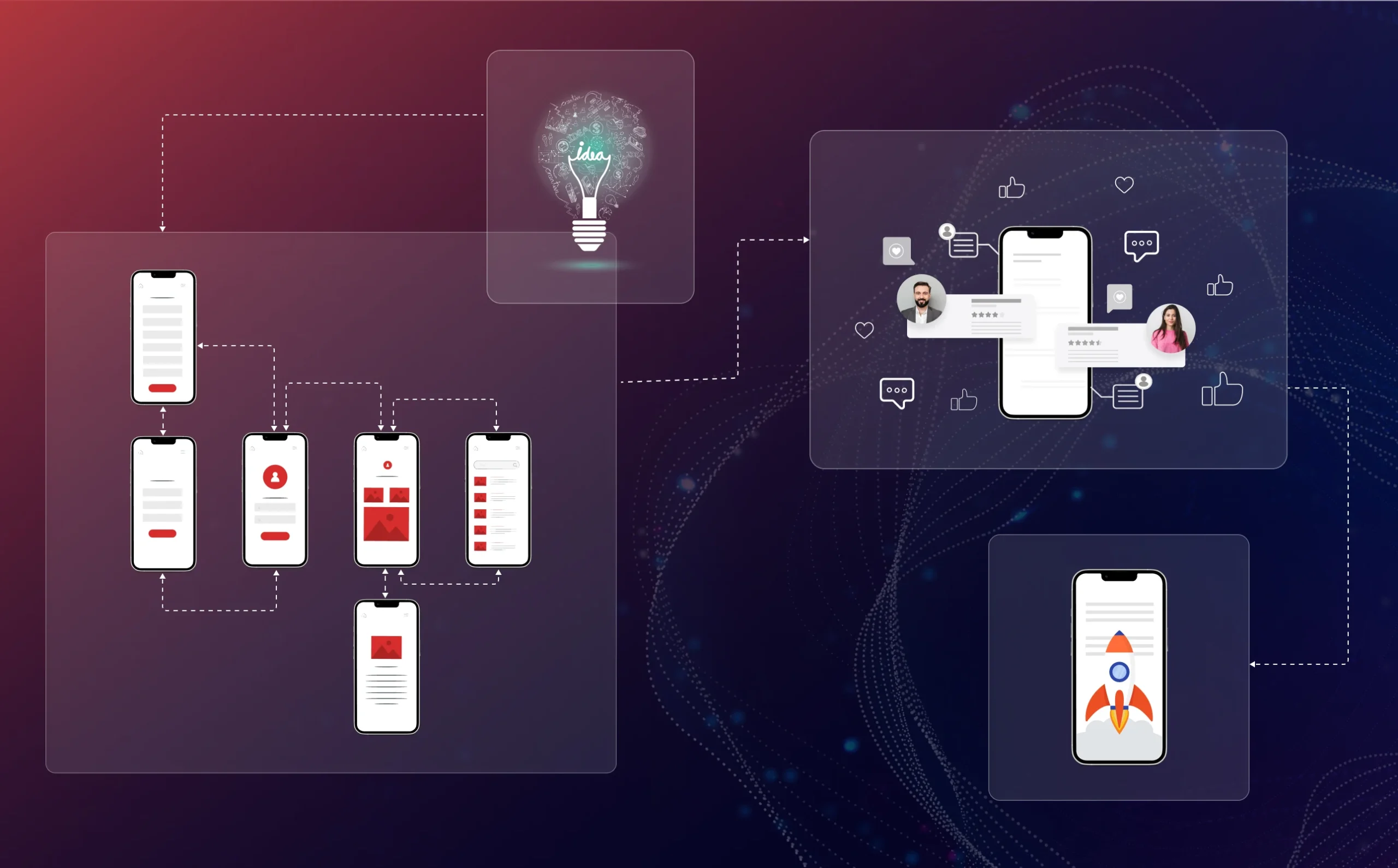
Rapid prototyping is the practice of turning your product idea into simple, testable versions that users can see and click, long before you invest in a full build. These versions might be hand-drawn sketches, clickable Figma screens, or light interactive demos.

Before MVP, this step is not about polish. It is about learning. You are trying to answer questions like: Do users actually care about this problem? Do they understand your solution? And can they move through the screens without getting lost?

When you treat rapid prototyping as a must-have stage, not a nice extra, you reduce the pressure on the MVP itself. The MVP stops being a big gamble and becomes a carefully chosen bundle of features that have already survived several small tests.

Common Types of Prototypes in the Pre-MVP Phase

You do not need complex engineering to prototype well. Good prototype design and development starts with the simplest version that answers your current question. In fact, most of the best pre-MVP tests use simple tools.

Some common types are:

  • Low-fidelity wireframes that show layout and basic steps.
  • High-fidelity clickable mockups that feel close to the final app.
  • Narrow interactive demos that test just one important flow.

A good rule is to pick the simplest type that can answer your current question. If you only want to see if users understand your idea, a clickable design is often enough.

Why Startups Lose Money by Jumping Straight Into MVP Builds

Many startups build MVP first without early validation, treating the word MVP as a shield. They build a big product, cut a few features, and call it a minimum version. In reality, it is still far too large, untested, and expensive.

When you skip early validation and go straight into development, you are writing code based on assumptions. You might assume users want a dashboard, complex onboarding, or 10 different filters. Only after launch do you find out what they actually notice or ignore.

By then, changes are painful. You have a live system, paying customers, and a team that just spent months shipping features. Reworking core flows can feel impossible, so many weak choices stay locked in.

With rapid testing before MVP, you can catch the same problems in days rather than months. A simple prototype session can reveal that users do not understand your first screen, get stuck at one button, or do not care about the feature you built the whole product around.

Signs You Are Overbuilding Your “MVP”

You might be moving too fast into development if:

  • You have detailed technical specs but no user test sessions.
  • Most product debates happen in meeting rooms, not with real users.
  • The plan is “launch and see what happens” instead of “test and refine“.

If these patterns sound familiar, it is a clear signal to pause and invest in early prototypes. Even a handful of tests can change which features you include, how you design onboarding, and what you call an MVP in the first place.

Signs You Are Overbuilding Your MVP

From Assumptions to Validated Insight Before MVP Development

Every founder starts with beliefs about the market and the product. You believe you understand what users need, which flows feel natural, and what value message will make them sign up. These are all assumptions, even if they feel true.

Before MVP development, your job is to turn those assumptions into validated insight. That means you have some real proof that users behave the way you expect, not just nice feedback in conversation.

Here, rapid prototyping for validating startup ideas plays a central role. Instead of asking “Would you use this feature?” on a call, you show a prototype and see whether people actually use it when no one is guiding them.

How Prototypes Turn Assumptions Into Clear Answers

Imagine you assume users want rich analytics with ten charts. You design a prototype with that dashboard, then sit next to users while they click around.

You may find that they focus on only two charts and ignore the rest. Or they cannot find the main action button at all. Those observations tell you which parts deserve space in the MVP and which ones should wait.

This type of idea validation through prototyping leads to a smaller, sharper MVP. You still move fast, but your speed is guided by evidence rather than wishful thinking.

How Prototypes Test Usability and Workflows Before You Write Real Code

A good MVP is not only about what it does, but also about how easy it is to use. If users cannot complete basic tasks, they will churn before they see the value. Fixing these problems in code is slow. Fixing them in prototypes is quick.

In the pre-MVP phase, you can use simple designs to see whether people can sign up, start a core workflow and reach a meaningful outcome. You do not need full backend logic to learn this. You only need the main screens and transitions.

  • Checking Usability Before MVP

Usability is about how easily someone can move through your product to reach a goal. During prototype tests, you ask users to perform simple tasks, then watch quietly.

If they hesitate at a button, misread a label, or keep looking in the wrong place, you know the design is working against them. You can then move things around, change words, and simplify steps. All of this can happen before any production code is written.

  • Exploring Workflows in a Safe Space

Every product has key flows that matter most, like creating a project, sending an invite, or processing an order. These flows often require several steps and choices.

With pre-MVP prototypes, you can walk users through these journeys and see where they slow down or get confused. Maybe a step is missing, or the sequence does not match their thinking. Discovering that now is far cheaper than rebuilding flows after launch.

Where Rapid Prototyping Fits in the MVP Product Development Timeline

When people hear the word MVP, they often imagine a straight line: idea, design, build, launch. In reality, good MVP product work looks more like a series of loops.

You start with discovery, move into early designs, test those designs with users, and repeat this cycle a few times. Only after those loops do you move into MVP product development.

In that sense, prototypes are the bridge between understanding the problem and real coding. They help you decide what the MVP should include, which screens matter most, and what can safely wait for later releases.

From Prototype to MVP Without Losing Learning

A simple way to think about this journey is:

  1. Learn the problem from users, not just your own mind.
  2. Sketch different solutions and map possible flows.
  3. Turn the best options into prototypes and test them.
  4. Use the results to decide the exact scope of the MVP.
  5. Build the MVP knowing you are solving the right problem.

When you follow this path, the MVP feels like the natural next step rather than a big blind bet. You are also more confident about where to say “no” so that the MVP really stays minimal and focused.

How Rapid Prototyping Supports SaaS Platform Plans Before Launch

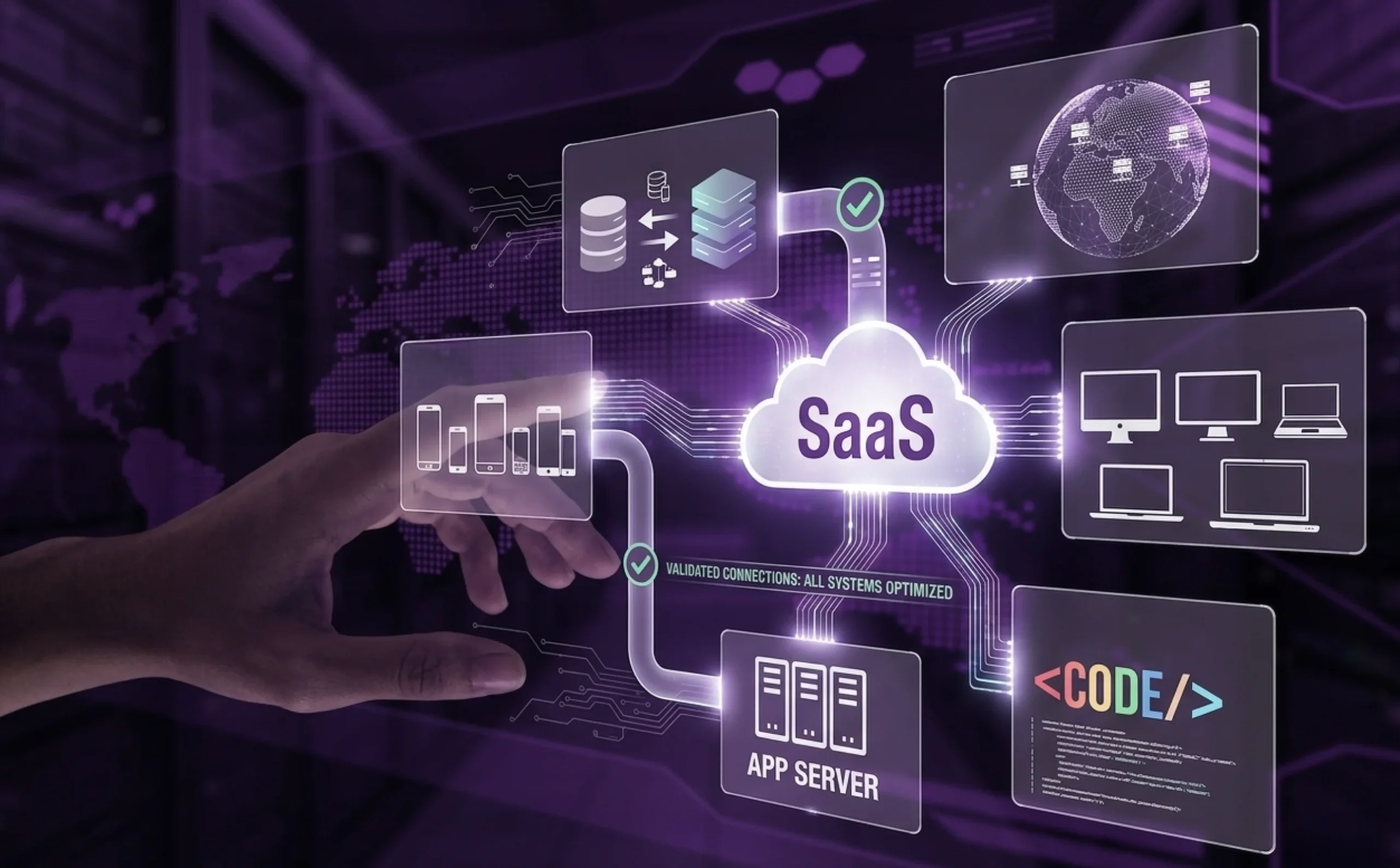
For SaaS founders, the risk of overbuilding is even higher. You usually deal with user roles, permissions, billing, dashboards, and sometimes complex workflows across departments. It is tempting to design a huge platform from the start.

In the pre-MVP stage, rapid tests let you explore this complexity in a safer way. You can build simple screens for admin users, regular users, and maybe partners, then see how each group moves through the product.

When you use this style of validation inside saas platform development, you can:

  • Catch confusing navigation before it becomes technical debt.
  • Learn which metrics really matter for dashboards.
  • Shape pricing and trial flows based on actual user behaviour.

As a result, your first live version of the SaaS product does not feel random. It reflects real choices that users already helped you make.

Using AI and Data to Make Pre-MVP Prototyping Smarter

As tools improve, you do not have to rely on manual notes alone. Modern rapid prototyping solutions powered by AI and data can give you deeper insight into how people interact with your prototypes.

For example, you can record user sessions and then use algorithms to see which screens cause drop-offs, which elements attract attention, and where people hesitate. That extra layer of analysis can highlight issues that are hard to spot at the moment.

In this journey, AI ML solutions are not just about building clever features. They also support learning. By mixing AI analysis with real human observation, you lay the groundwork for an AI powered MVP for startups that is built on evidence, not assumptions.

How Digital Product Engineering Keeps Everything Connected

Building a product is not just designing on one side and coding on the other. There is a full lifecycle that includes strategy, research, architecture, delivery and iteration. This is where Digital Product Engineering comes in.

When you treat prototypes as a formal part of that lifecycle, the lessons do not get lost. Insights from early tests feed into your backlog, your tech choices, and your long-term roadmap.

A well-run Digital Product Engineering practice will:

  • Tie user research directly to prototype design.
  • Use prototype results to shape the MVP scope.
  • Align engineering decisions with what users actually need.

That way, pre-MVP validation is not a side project. It is the starting point of how you build and grow the product.

When to Use a Partner Versus In-House Prototyping Before MVP

Some teams have product designers and researchers already in place. Others are led more by engineering or sales. Both types of teams can benefit from early prototypes, but the way they run those tests may differ.

If you have strong product skills in-house and enough time, you can often run simple tests yourself. It keeps you close to the user and builds validation muscle inside your team.

But there are times when you need more structure, speed, or experience than you currently have.

Why Partnering with a Prototyping Company Can Help in the Pre-MVP Stage

Before MVP, deadlines are tight, and every mistake feels expensive. Partnering with an AI MVP development company can give you a clear process, experienced facilitators, and access to better tools.

A good partner can:

  • Turn messy ideas into clear, testable concepts.
  • Plan and run user sessions in a few weeks, not months.
  • Help you read between the lines of user feedback.

That outside view can be especially useful for startups working on complex B2B flows, regulated industries, or multi-role SaaS products, where small UX mistakes can cause big adoption problems later.

In-House Prototyping Before MVP

Putting It All Together Before You Build

By now, you can see a pattern. The more you learn before MVP, the smoother the rest of your journey becomes. Rapid tests confirm which problems are real, which flows are natural, and which features deserve a place in version one.

This approach does not slow you down. It prevents you from moving fast in the wrong direction. You still ship an MVP, but that MVP stands on a base of real evidence, not guesswork.

When you view pre-MVP work this way, you start to see prototypes as your main decision tool. Code comes later, after the big questions have already been answered.

How Bytes Technolab Helps You Validate Ideas Before MVP and Move Faster

When you are trying to reach product-market fit, it is hard to manage research, design, and development at the same time. Working with a partner that understands the full cycle can save you from a lot of rework.

Bytes Technolab offers prototype development services to help you validate startup ideas before MVP, then turn those validated concepts into focused MVPs and SaaS products. The team brings experience across MVP product development, SaaS platform development, and AI/ML solutions, so your product is validated early and built on a modern, scalable foundation without wasting your budget.

Rapid prototyping lets you test your idea with real users before you invest heavily in development. You see how people move through your concept, what they understand, and where they struggle. That way, your MVP is based on real learning instead of risky guesses and assumptions.

Partnering with a prototyping company makes sense when you lack in-house UX capacity, are short on time, or are working on a complex SaaS idea. A good partner already has a clear process and tools, so you move from rough idea to testable prototype much faster and with fewer mistakes.

With rapid prototyping for validating startup ideas, you turn your concept into simple screens or clickable flows and show them to target users before coding. You watch where they click, what they ignore, and what excites them. Those insights then shape what goes into your first MVP release.

Digital Product Engineering connects your discovery, design, validation, and build phases into one flow. When you validate early ideas through prototypes inside this bigger framework, your MVP is not an isolated experiment. It becomes the first controlled step in a long-term roadmap with less waste and more focus.

Idea validation through prototyping shows you what users actually do instead of what they politely say. If your prototype reveals confusion around the value or key workflow, you can fix that early. This helps you avoid paying engineers to build features that users would never use or even understand.

You can mix several startup validation techniques with prototypes to get a fuller picture. For example, start with a few discovery calls, then run a simple landing page test and finally observe people using your prototype. Together, these signals make your pre-MVP decisions far more confident and less emotional.

When you test with users before coding, MVP product development becomes cleaner and lighter. You already know which flows work and which messages land, so you only build what matters. This usually means a smaller MVP, a quicker launch, and clearer learning, rather than a bloated release that tries to do everything.

In Saas platform development, you often deal with multiple roles, billing, settings and reporting. If you do not validate early, these areas become hard to change later. Prototypes help you refine navigation and key actions so your first live version feels simple and usable instead of heavy and confusing.

Bytes Technolab can guide you through early validation, then use AI ML solutions to analyse user behaviour from prototype tests and spot patterns you might miss. They combine strategy, UX, and engineering, so your idea is validated before MVP and then built on a strong, scalable, and data-informed foundation.

Related Blogs