


 August 1, 2026
 2 mins to read
Table Of Content
- Skipping Product Design Feels Fast Until Users Get Confused
- Product Design Services Turn Design Spend Into Risk Control
- UI UX Design Services Convert Assumptions Into Testable Flows
- Product Research and Discovery Protects Runway Before Engineering
- The Founder Design Risk Framework Guides Pre-Build Decisions
- How do you know if a startup needs a product design partner?
- UX-Driven Prototype Development Moves Learning Into Product Engineering
- How should a prototype hand off into engineering?
- Design Early So Engineering Has Something Worth Building
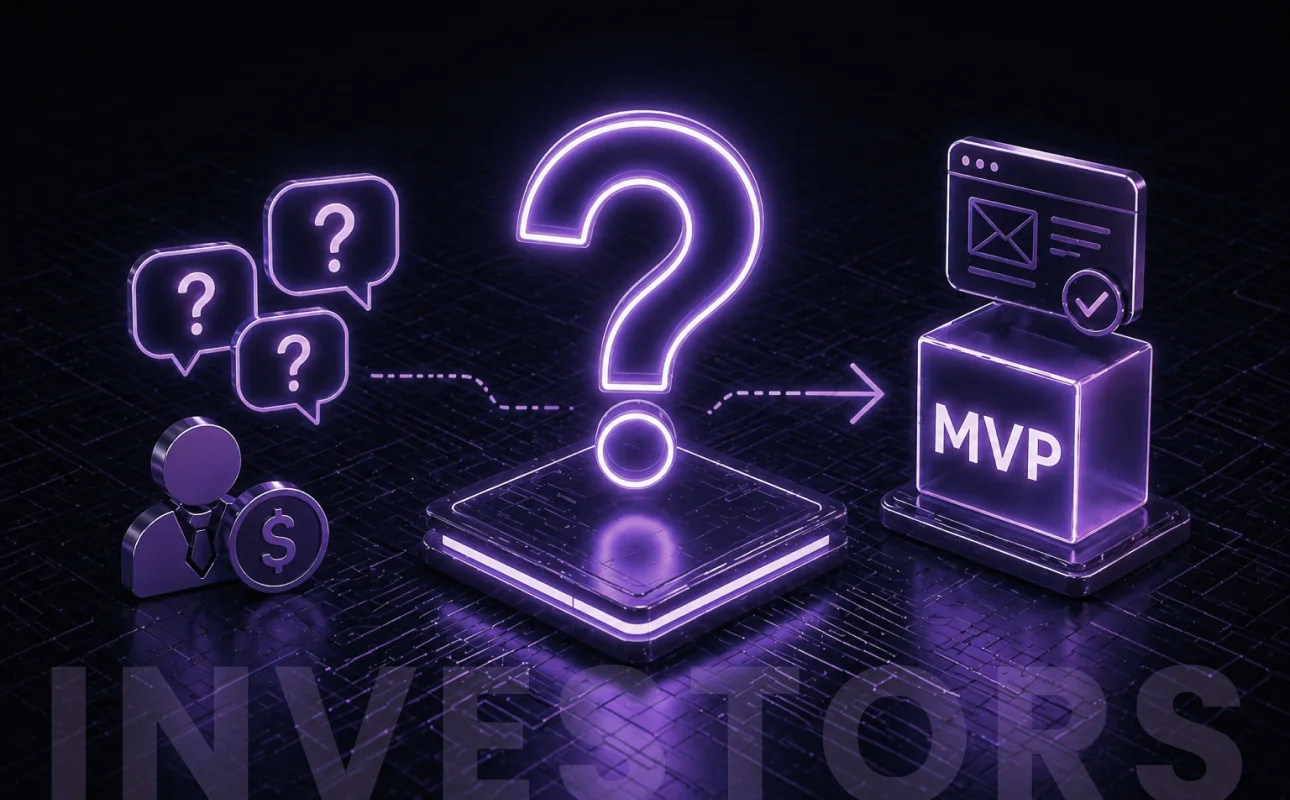
Your investor asks why users will finish the first task, and your demo only shows screens. Product Design services reduce that gap before code. Bytes Technolab brings an AI-first Product Engineering partner into early product choices, so funded founders test direction before build spend grows.
Skipping Product Design Feels Fast Until Users Get Confused
Skipping design feels fast because engineering can start before the hardest product questions have answers. A 6-week MVP demo that breaks at sign-up turns speed into a cost problem.
Runway pressure makes the choice tempting. Jira fills up, investors see movement, and the team feels busy.
User confusion becomes expensive learning after teams pay for APIs, roles, dashboards, and QA. One wrong onboarding step can force a changed data model, new backlog items, and 2 more test cycles.
Early product choices harden quickly. Once engineers connect flows to payment logic, permissions, and analytics events, a small design miss becomes a product correction.
A founder does not lose time only when users reject the product. The larger loss starts when a team spends 4 weeks proving an assumption that a clickable prototype could be tested in 4 days.
Each shortcut also teaches the team to defend their work rather than learn faster. The decision is not speed versus design.
It is proof versus expensive guesswork.
Product Design Services Turn Design Spend Into Risk Control
Design spend controls risk when it turns vague ideas into evidence before engineers write production logic. Founders often buy screens when they need better decisions.
Useful design work sits before UI polish. It frames the problem, maps the user journey, orders features, and sets prototype direction.
A strong design phase proves 4 things before the backlog grows:
- User journeys show whether the product fits a real workday.
- Feature priority separates the first release from the wish list.
- Prototype direction reveals which assumptions deserve testing.
- Analytics plans decide what Mixpanel or Amplitude must track on day 1.
Design at this point protects engineering from vague tickets. Jira stories stop saying “create dashboard” and start saying “show overdue invoices to finance leads within 3 clicks.”
Once that proof exists, UI and UX work can turn assumptions into visible paths.
UI UX Design Services Convert Assumptions Into Testable Flows
The UX layer turns founder beliefs into visible user decisions that teams can test before MVP code exists. The founder’s assumption sounds simple: users will understand the value after signing up.
UX work asks what decision must happen before sign up, during onboarding, and after activation. UI work makes those decisions visible through hierarchy, copy, states, and cues.
Strong UI UX work exposes 4 startup risks:
- Onboarding flow proves whether the first 90 seconds make sense.
- The activation path shows what action signals real value.
- Core task flow exposes the screen where users hesitate.
- Empty states tell users what to do before data exists.
Good-looking screens still fail when they do not guide decisions. A polished dashboard means little if a new user cannot find the action that creates value.
Design turns “users will get it” into a testable path through Figma, Maze, or a live prototype. The bigger money risk appears before any flow reaches engineering.
Product Research and Discovery Protects Runway Before Engineering
Product Research and Discovery protects the runway by testing the risk behind the feature before the feature reaches the backlog. UserTesting says early user research can guide product choices before heavy investment is made in specific products or features, helping teams avoid costly mistakes.
That matters when a 6-week build cycle costs more than the whole design phase. A startup that learns users do not trust pricing after engineering pays for Stripe flows, admin roles, invoices, and QA twice. This is the same risk-reduction logic that makes strategic MVP development work — validate before you build, not after.
What should startups validate before product engineering begins?
Startups should validate the problem, the task flow, the value moment, and the data logic before product engineering begins. Nielsen Norman Group says 5 users in a qualitative usability study can reveal almost as many usability issues as many more participants.
Use 5 interviews when the question is problem clarity. Use 5 prototype tests when the question is usability.
- Do users describe the problem in their own words?
- Do they complete the core task without explanation?
- Do they trust the value before sharing data or payment?
- Does the flow need data that the current backend cannot support?
Skip that proof, and engineering becomes the most expensive place to learn what users meant. The founder now needs a decision system for deciding what deserves design time.
The Founder Design Risk Framework Guides Pre-Build Decisions
Early-stage startups need product design before engineering because code turns weak assumptions into cost, process, and system commitments. A Product Design Sprint gives founders 5 focused days.
They test user risk, flow risk, scope risk, and engineering risk before Jira tickets appear.
Figma prototypes, interview notes, and task tests reveal 3 signals. Users understand the problem, complete the core action, and trust the value promise.
That proof matters before React components, API contracts, payment logic, and analytics events lock the product into a costly direction.
The Founder Design Risk Framework provides founders with 4 gates to determine what warrants design investment before MVP development. Each gate turns a vague concern into a decision the team can test before engineering starts.
A founder can cite the result in a board update. Green gates show build readiness, and red gates show the next test before spending.
How do you know if a startup needs a product design partner?
The framework separates product risk from design preference. A Product design partner uses these gates before estimates begin.
- User Risk checks whether target users can describe the pain without your pitch.
- Flow Risk checks whether users complete the main task in a clickable prototype.
- Scope Risk checks whether the MVP proves one value promise instead of many ideas.
- Engineering Risk checks whether screens hide unclear data, roles, permissions, or API needs.
User Risk remains red when target users repeat your words rather than their own. Ask 5 target users to explain the pain before treating the idea as validated.
Flow Risk stays red when users need founder help to finish the main path. A screen has not earned engineering time until users can move through it alone.
Scope Risk stays red when every feature still feels necessary. Cut anything that does not support the first user action, the first value moment, or the first reason to return.
Engineering Risk stays red when a screen depends on backend logic nobody has named. In product planning work, Bytes Technolab supports startups and scale-ups with design evidence that connects product scope to AI-first engineering choices.
When 2 gates still look red, the next move should reduce guesswork before the code turns it into a cost.
UX-Driven Prototype Development Moves Learning Into Product Engineering
UX-Driven Prototype Development turns UI UX Design Services output into build clarity, not a folder of approved screens. Treat every validated screen as a decision record that engineering can estimate, test, and implement.
Before estimates begin, convert the prototype into a handoff checklist. Each core flow should include 6 items:
- Screen purpose
- User action
- System response
- Data required
- Error state
- Acceptance criteria
How should a prototype hand off into engineering?
A prototype should hand off into engineering as decisions, constraints, and tests the team can verify. The handoff should tell engineers what the user does, what the product must return, and what counts as done.
Run this 7 to 30 day sequence before the first production sprint:
- Turn the core task flow into MVP backlog items.
- Attach acceptance criteria to each user decision.
- Review API, roles, and data needs with engineers.
- Mark every untested feature as post-launch.
Any Product development company that skips this link leaves engineers guessing inside Jira. Strong engineering starts when React components, API contracts, QA cases, and analytics events are driven by tested flow logic rather than founder preference.
The final decision is no longer whether design slows you down. Engineering deserves a clearer starting line.
Design Early So Engineering Has Something Worth Building
Design protects an early-stage startup by giving engineering a better starting point. The opening tension returns here: a product can look ready and still fail when 5 testers cannot finish the first task.
Good design gives founders sharper investor answers, cleaner MVP scope, stronger prototype evidence, and fewer rework loops. It turns runway into learning before code turns learning into cost.
A stronger product starts when the team admits what it still has not proved. Review the risky parts while the product still feels easy to change.
Code should not be the first place where users are exposed to unclear value, broken onboarding, or hidden data needs. Bytes Technolab connects research, prototype testing, and build handoff so founders move toward cleaner scope and fewer rebuild loops.
We own the outcome. Not just the delivery.
Product Design services help early-stage startups validate the user problem, core journey, release priority, and prototype direction before build spend grows. The work turns founder assumptions into testable flows, backlog choices, and evidence that investors, designers, and engineers can judge.
UI UX Design Services help startups turn abstract MVP ideas into onboarding, activation, core tasks, and trust flows before development begins. Teams test whether users understand the value, finish the main action, and know what to do when data is missing.
Product design places business logic, user problems, feature priorities, and product direction behind the experience. UX/UI design shapes flows, screens, interactions, visual order, and usability, while a Product design partner connects both to release planning before build work starts.
A startup can begin with 5 well-matched users when the goal is to find major usability issues, not to measure the entire market. Product Research and Discovery should pair those tests with interviews, task notes, and decision records before the engineering scope starts.
A Product development company should connect research, prototype testing, and engineering handoff for funded founders, product leads, and startup teams. The useful outcome is a sharper MVP scope, tested user flows, named system needs, cleaner launch decisions, and less rework before code starts.