

 June 10, 2026
 2 mins to read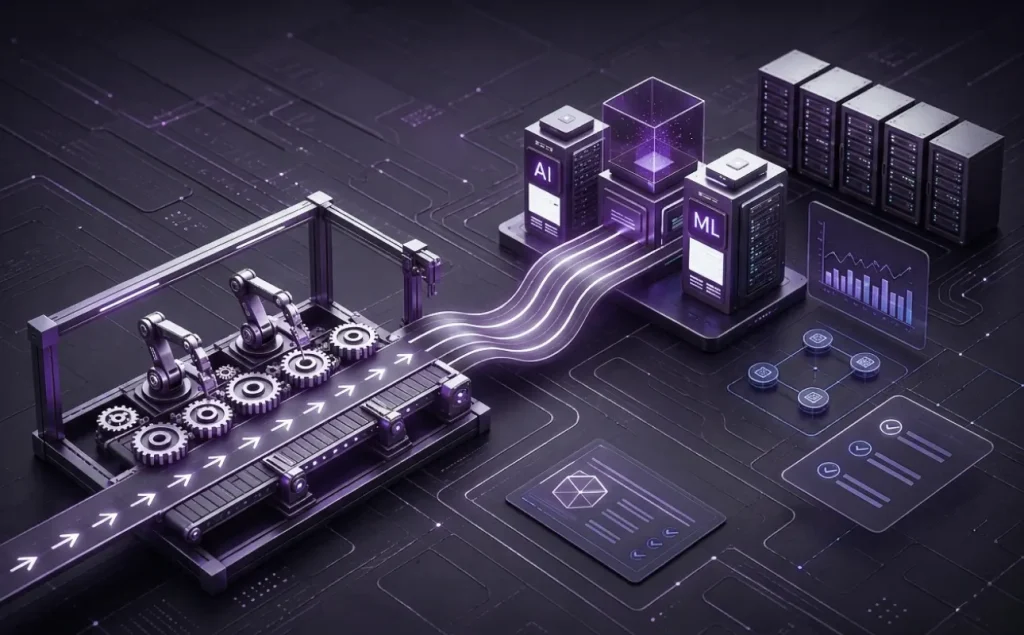
What happens when the automation built to save time starts slowing your business down?
This is the challenge many CTOs are facing with traditional RPA systems. As workflows evolve, fixed-rule automation struggles to keep up. Businesses are now moving toward AI workflow automation that can adjust, learn, and operate in changing environments without constant manual intervention.
As an AI-first product engineering partner, Bytes Technolab helps businesses build automation systems designed for long-term scalability and real operational complexity.
What RPA Solved and Where It Falls Short
RPA was introduced to handle repetitive, rule-based tasks. It allowed businesses to automate workflows without changing their core systems. RPA works best in structured environments where rules are clear and tasks are repetitive.
It is commonly used for:
- Data entry and form processing
- Invoice handling and reporting
- System-to-system data transfer
- Basic customer support workflows
This made robotic process automation services popular across industries.
Where RPA Starts to Break
The problem begins when workflows become dynamic.
RPA cannot:
- Handle unexpected inputs
- Adapt to changing conditions
- Make decisions beyond predefined rules
For example, if a process changes or the data format is different, the system fails or needs manual updates.
This is why many businesses working with an RPA Development Company are now exploring more advanced solutions.
Are You Already Hitting the Limits of RPA?
Many CTOs do not realise they have outgrown RPA until systems start slowing them down.
You might already be facing this shift if:
- Your team is spending more time maintaining bots than building new features
- Small process changes are breaking automation workflows
- You are adding more bots instead of simplifying systems
- Decision-heavy processes still require manual intervention
- Automation is increasing the complexity instead of reducing it
If this sounds familiar, it is not a tooling problem. It is a strategy problem.
This is often the point where businesses begin exploring AI workflow automation and Autonomous AI Systems.
What Are Autonomous Workflows
Autonomous workflows go beyond automation. They combine AI, data, and decision-making into one system. Unlike RPA, which follows instructions, Autonomous AI Systems can understand context and take actions based on goals.
They can:
- Analyse data in real time
- Make decisions without human input
- Adapt workflows based on outcomes
- Improve performance over time
This is the core idea behind AI workflow automation.
Why CTOs Need to Rethink Automation Strategy
Automation is no longer just about reducing effort. It is about improving how decisions are made across the organisation. Modern businesses require systems that can handle complexity, not just repetitive tasks.
CTOs now need to think about:
- How workflows respond to real-time data
- How systems handle exceptions and edge cases
- How automation scales without constant updates
- How decisions can be improved, not just executed
This is where traditional Robotic Process Automation approaches fall short. Understanding how enterprises are rewiring for AI at scale helps CTOs see exactly where the shift needs to happen.
Key Differences Between RPA and Autonomous Workflows
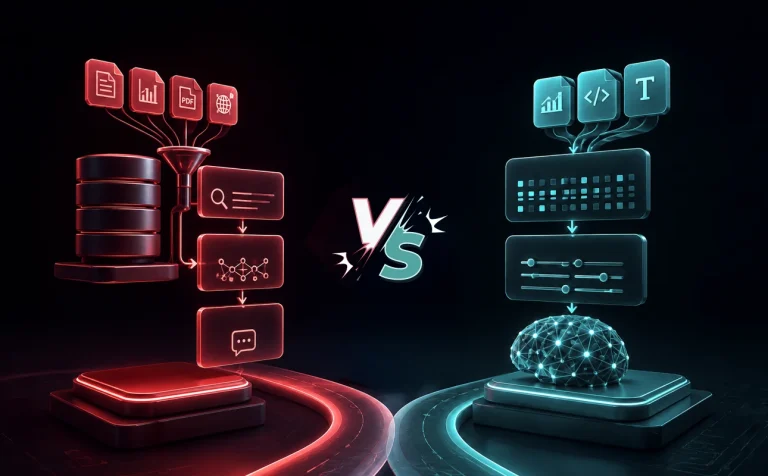
Understanding the difference helps CTOs make better decisions. RPA focuses on task execution, while autonomous workflows focus on outcomes.
RPA systems:
- Follow predefined rules
- Require manual updates when processes change
- Work best in stable environments
Autonomous workflows:
- Learn from data
- Adapt to changing conditions
- Handle uncertainty and exceptions
This shift is driving demand for autonomous AI agent development.
How AI Workflow Automation Works in Practice
AI workflow automation connects multiple systems and improves how work flows across them. Instead of fixed processes, workflows become dynamic.
For example:
- Customer requests are analysed and routed automatically
- Systems decide next steps based on data
- Workflows adjust based on real-time inputs
With AI development services, businesses can build systems that continuously improve.
Where Autonomous Workflows Create the Most Impact
The impact is not in replacing systems but in improving how they work together. Businesses see the most value in areas where decisions change frequently.
These include:
- Customer service with intelligent response systems
- Finance operations with automated approvals
- Supply chain with real-time adjustments
- HR processes with intelligent screening and onboarding
These use cases are often supported by Workflow Automation Solutions that integrate AI capabilities.
Challenges in Moving from RPA to Autonomous Workflows
While the benefits are clear, the transition is not simple. Many organisations struggle because they approach AI the same way they approached RPA.
Common challenges include:
- Poor data quality is affecting AI performance
- Unclear understanding of where AI adds value
- Integration issues with existing systems
- Lack of strategy for scaling automation
Working with an experienced AI development services provider helps reduce these risks.
Do You Need to Replace RPA Completely?
One of the biggest misconceptions is that RPA needs to be replaced. In reality, RPA still plays an important role.
RPA is useful for:
- Structured and repetitive tasks
- Legacy system automation
- Data transfer between systems
Autonomous workflows extend this by adding intelligence. A more practical approach is:
- Use RPA for execution
- Use AI for decision-making
- Combine both for end-to-end workflows
This hybrid approach reduces risk and allows gradual transformation. Teams exploring how AI combines with existing systems often find this layered strategy the most practical starting point.
How to Transition from RPA to Autonomous Workflows
The shift should not be sudden. It should be structured and controlled. CTOs should begin by identifying workflows that require decision-making, not just execution.
A step-by-step approach includes:
- Reviewing existing RPA processes
- Identifying workflows that need intelligence
- Testing AI solutions on a small scale
- Expanding based on results
This ensures a smooth transition without disrupting operations.
Role of Autonomous AI Agent Development
Autonomous workflows rely heavily on AI agents that can act independently. AI agents are designed to perform tasks and make decisions within defined boundaries.
They can:
- Monitor workflows continuously
- Take actions based on triggers
- Adjust processes based on outcomes
This makes autonomous AI agent development a key part of modern automation strategies. For a deeper look at how AI agents differ from traditional systems, the distinction matters more than most teams realise.
Choosing Between RPA and Autonomous Workflows
Understanding the difference helps businesses decide where to invest. RPA focuses on execution, while autonomous workflows focus on outcomes.
Execution vs Intelligence
RPA systems:
- Follow fixed rules
- Require updates when processes change
- Work best in stable environments
Autonomous workflows:
- Learn from data
- Adapt to changing conditions
- Handle uncertainty and complexity
This difference is why businesses are investing in autonomous AI agent development.
How AI Workflow Automation Works in Practice
AI workflow automation connects systems and improves how work flows across them. Instead of fixed processes, workflows become dynamic and responsive. With AI-driven systems, workflows improve across multiple areas.
Businesses can:
- Automate decision-making instead of just tasks
- Route processes based on real-time inputs
- Reduce dependency on manual approvals
- Improve efficiency across departments
With support from AI development services, these workflows can scale smoothly.
What Changes for CTOs at a Technical Level?
Moving from RPA to autonomous workflows is not just a tooling upgrade. It changes how systems are designed.
CTOs need to rethink:
- Architecture: From linear workflows to event-driven systems
- Data strategy: From structured inputs to handling unstructured and real-time data
- Decision systems: From rule engines to AI-driven models
- Integration: From isolated bots to interconnected systems
- Monitoring: From tracking tasks to tracking outcomes and performance
This shift requires closer alignment between engineering, data, and business teams.
What Is the Business Impact of Autonomous Workflows?
The value of autonomous workflows goes beyond efficiency. Businesses typically see improvements in:
- Faster decision-making across operations
- Reduced manual intervention in complex workflows
- Lower long-term maintenance compared to RPA-heavy systems
- Improved accuracy through AI-driven validation
- Better customer experience through faster responses
While RPA reduces effort, autonomous workflows improve outcomes.
This is a key difference driving investment in AI development services and Workflow Automation Solutions.
When Should You NOT Move to Autonomous Workflows Yet?
Not every process needs AI.
Autonomous workflows may not be necessary when:
- Processes are fully stable and rule-based
- Data is already structured and predictable
- There is no need for real-time decision-making
- The cost of AI outweighs the business impact
In such cases, traditional Robotic Process Automation services remain effective.
The goal is not to replace RPA everywhere, but to apply intelligence where it matters.
How Leading Companies Are Structuring Automation Today
Forward-thinking organizations are no longer choosing between RPA and AI. They are building layered automation systems.
A modern automation stack typically includes:
- RPA for basic task execution
- AI models for decision-making
- Workflow orchestration for system coordination
- AI agents for autonomous execution
This layered approach allows businesses to scale automation without increasing complexity. AI multi agent system is what makes this coordination possible across multiple systems.

Ready to Move from Automation to Intelligence?
As an AI-first product engineering partner, Bytes Technolab helps organizations move from fragmented automation to intelligent, scalable systems. From workflow assessment to AI integration, the focus is on building automation that works under real business conditions, not just controlled environments.
If your automation strategy is hard to manage and not scaling well, reconsider your approach. Before investing in RPA, ask if your workflows are decision- or rule-driven, if systems adapt or break with change, and if you’re prioritizing scale or short-term gains. An automation assessment can reveal where AI offers the most value. Collaborate with AI automation experts to create future-proof systems.
Frequently Asked Questions
RPA bots rely on fixed rules and structured workflows. Even small changes in UI, data formats, or process steps can cause failures. This leads to constant maintenance. Autonomous workflows solve this by adapting to changes rather than relying on static rules.
Many businesses expect RPA to reduce costs, but over time, maintaining multiple bots, fixing errors, and scaling workflows increases operational overhead. Autonomous AI systems reduce these costs by minimizing manual intervention and improving efficiency over time.
Most workflows involve unstructured data, exceptions, and decisions. RPA automates specific tasks, not entire processes. That’s why businesses adopt AI automation: it manages entire workflows, not just steps.
RPA struggles with unstructured data because it cannot interpret context. Businesses need AI-powered systems with capabilities such as natural language processing and document understanding to extract insights and automate actions.
As organizations expand RPA usage, they end up managing multiple bots across different systems. This creates silos and increases complexity. Autonomous workflows simplify this by orchestrating processes across systems with centralized intelligence.
A full replacement is not necessary. Most businesses move gradually by identifying high-impact workflows, adding AI layers to existing RPA processes, and scaling based on results. A hybrid approach ensures continuity while improving automation capability.

Bhavik Shah
Founder & Director at Bytes Technolab...
He has been driving digital growth for over 18 years by empowering global startups, SMEs, and enterprises including Fortune 500 brands with scalable software, web, mobile, and eCommerce solutions. With a proven track record of 300% revenue growth and 300+ successful deliveries, he combines strategic business leadership with technical excellence across marketplaces, SaaS, and innovation adoption. As a mentor to 140+ software experts, Bhavik bridges business vision with technology execution, helping clients scale in competitive markets across the USA, Canada, India, and beyond.
Table Of Content
- What RPA Solved and Where It Falls Short
- Where RPA Starts to Break
- Are You Already Hitting the Limits of RPA?
- What Are Autonomous Workflows
- Why CTOs Need to Rethink Automation Strategy
- Key Differences Between RPA and Autonomous Workflows
- How AI Workflow Automation Works in Practice
- Where Autonomous Workflows Create the Most Impact
- Challenges in Moving from RPA to Autonomous Workflows
- Do You Need to Replace RPA Completely?
- How to Transition from RPA to Autonomous Workflows
- Role of Autonomous AI Agent Development
- Choosing Between RPA and Autonomous Workflows
- Execution vs Intelligence
- How AI Workflow Automation Works in Practice
- What Changes for CTOs at a Technical Level?
- What Is the Business Impact of Autonomous Workflows?
- When Should You NOT Move to Autonomous Workflows Yet?
- How Leading Companies Are Structuring Automation Today
- Ready to Move from Automation to Intelligence?